Top 5 AC Problems Tampa Homeowners Report Every Winter
Published: 2026-06-02 · By BreezePlus AC Repair
As winter descends upon Tampa, many homeowners brace themselves for the unique challenges of air conditioning maintenance in the Sunshine State. With the high humidity and salt air, your AC unit isn't just working hard in the warm months. In fact, winter introduces a whole new set of potential issues. Imagine arriving home after a day of holiday festivities, only to discover that your air conditioner has gone silent. Understanding common AC problems can save you money and discomfort during the cooler months, especially when unexpected tropical storms can complicate repairs.
Why This Matters for Tampa Homeowners
Winter may not be Tampa's harshest season, but it brings specific challenges for air conditioning systems. One major issue homeowners frequently encounter is condensation buildup. Due to our humid environment, if your AC unit isn't functioning correctly, this moisture can accumulate, leading to leaks and water damage in your home. Additionally, salt air corrosion can wreak havoc on metal components, making even minor issues turn into costly repairs.
Another prevalent problem is improper drainage. Many homes in elevated areas utilize moisture barriers, and if these aren’t correctly configured, it can lead to backing up in drainage lines. This can cause the system to work overtime, which could potentially break down.
Lastly, age plays a significant factor. Many Tampa homes have older units barely holding their ground against the elements. Neglecting to address these issues can lead to complete system failures when you need cooling the most.
Expert Solutions & Actionable Tips
1. Regularly Check for Condensation
Inspect your AC unit for visible signs of moisture buildup. A simple check every month can help you catch potential drainage issues early. Replace any damaged or dirty drainage lines and clean drip pans to prevent blockages. This easy maintenance can save you an estimated $300 in repairs if left unaddressed. A professional can help, but if you're handy, this is a straightforward DIY job!
2. Inspect Unit for Salt Corrosion
Given Tampa's coastal location, ensure you're regularly cleaning your outdoor unit to mitigate corrosion caused by salt air. This involves rinsing the unit with fresh water every few months. If you notice heavy corrosion, you might need to replace parts, which can range from $100 to $800 depending on severity and component type. A pro can assess this condition for you.
3. Keep Your Indoor Coils Clean
Indoor evaporator coils impact efficiency significantly. Schedule an annual cleaning, ideally before winter, to prevent buildup. Hiring a pro for this task typically costs between $75 and $150. This not only prolongs the unit's life but also keeps your indoor air quality optimal, especially with bowling humidity levels.
4. Check Thermostat Settings
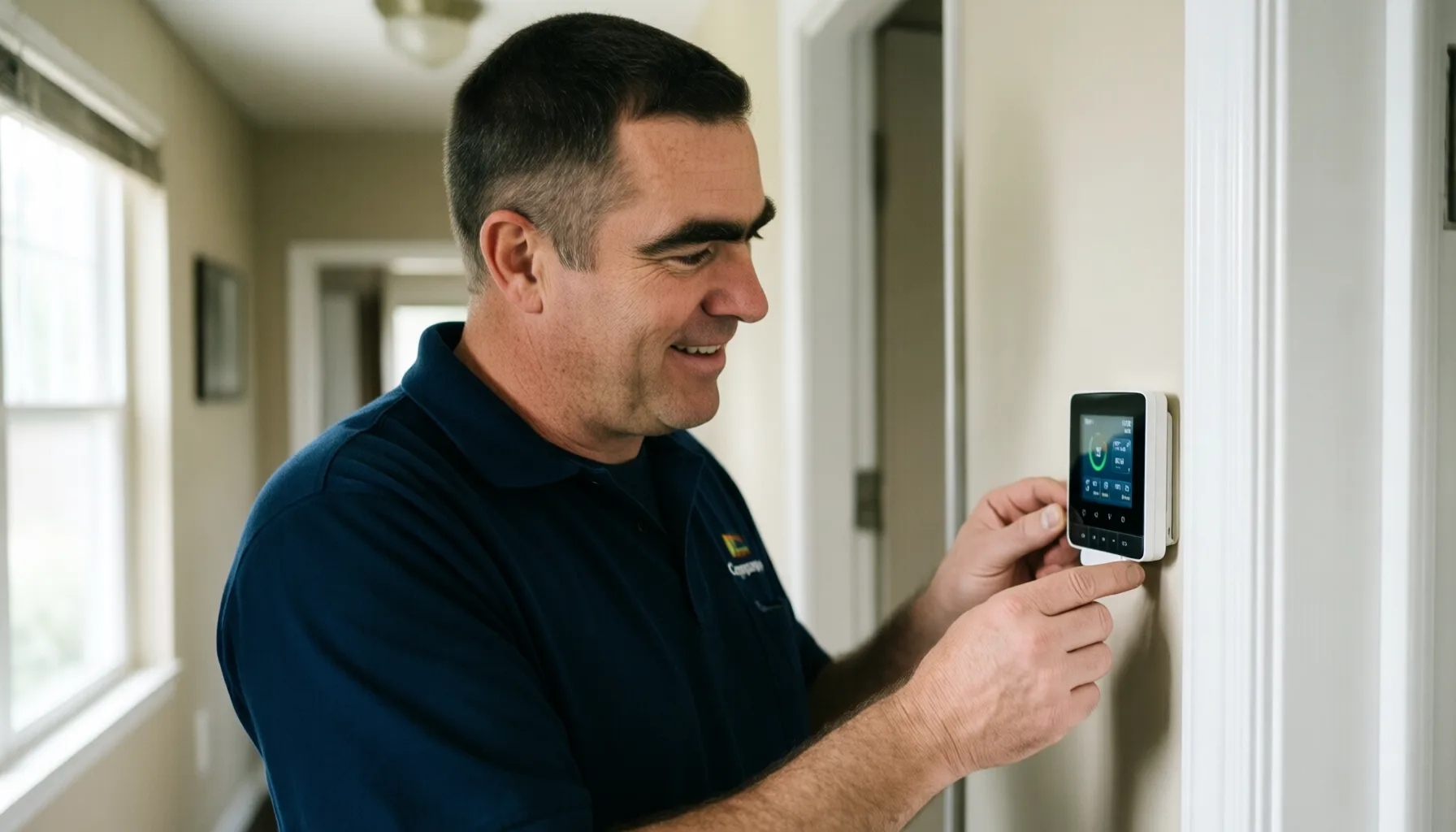
During winter, many homeowners forget to adjust their thermostats for optimal performance. Check settings and switch to 'auto' mode rather than 'on'. This small adjustment can decrease energy costs by 5-10% simply by ensuring your AC isn't over-cooling unnecessarily. Understanding your thermostat can help you avoid needless expenses.
5. Seal Ductwork and Insulation Gaps
If you have drafty air ducts or unsealed insulation, your AC will struggle to cool effectively. Investing in sealing can cost around $350 but is critical for efficiency. A home energy audit can pinpoint trouble areas in your system, presenting opportunities to optimize overall energy use.
6. Know When to Upgrade
Locals often face the tough decision about when to repair versus when to replace older AC units. If your unit is over 10 years old and needs repairs costing over 50% of a new unit, it’s better to replace it. New units offer better efficiency and warranties, which could save you about $200 annually on bills, offsetting that upfront cost over time.
Tampa Climate & Local Context
Living in Tampa, the climate affects everything from your home's structure to its air conditioning systems. Elevated homes are standard in the region, and so are moisture barriers essential for mitigating the risks posed by humidity and flooding. These features also significantly influence AC installation and repair work due to local building codes and permits. Before engaging services, it’s crucial to consider these conditions as they safeguard against moisture damage that could compromise structural integrity.
Tampa's unique weather, characterized by its wet seasons and intense storms, requires that air conditioning systems be robust and resilient. It's recommended that homeowners in Florida acquire HVAC systems specifically designed for coastal environments, taking into account enhanced corrosion resistance to mitigate wear and tear from the atmosphere.
When to Call a Professional
Determining whether to tackle an AC problem yourself or contact BreezePlus AC Repair involves assessing the complexity of the issue. DIY can be rewarding, yet it’s vital to recognize when professional help is necessary to avoid further damage. For example, if your system is failing to cool, and you notice a refrigerant leak, that’s a signal to call a technician immediately.
- If your system is 15 years or older and experiencing regular breakdowns.
- Persistent strange noises that weren’t there before.
- Completely unresponsive thermostat or AC unit.
- Visible signs of refrigerant leaks.
- Your system emits strange odors.
- Decreased air flow despite the system running.
- Broken drainage lines that cause pooling water.
In these red-flag scenarios, quick professional assessment can save you from more extensive repairs later on.
Frequently Asked Questions
What are some common signs that my AC needs repair?
In Tampa, homeowners should watch for unusual sounds, changes in airflow, and ice buildup on the coils. If these occur, it's time to consult BreezePlus AC Repair.
How often should I have my AC system serviced?
Regular maintenance every six months is recommended to ensure optimal performance and longevity of your AC unit, especially after humid seasons.
Can I repair my AC unit myself?
While minor issues like replacing air filters can be DIY, anything involving refrigerant or complex electrical work typically requires professional intervention.
What is the average lifespan of an AC unit in Tampa?
Most air conditioning systems in Tampa last between 10-15 years, depending on usage, maintenance, and local weather conditions.
When should I replace my AC unit?
If your AC unit is breaking down frequently or is over 15 years old, consider replacement as repairs can become cost-prohibitive.
Get Expert Air Conditioning Repair Service in Tampa
As the winter season approaches, don’t let AC issues disrupt your comfort in Tampa. Ensure your system runs optimally by reaching out to BreezePlus AC Repair. We're here to handle any concerns you may have about your air conditioning system.
Contact us today at (656) 208-5301, and let our experts provide reliable service tailored to your needs.